
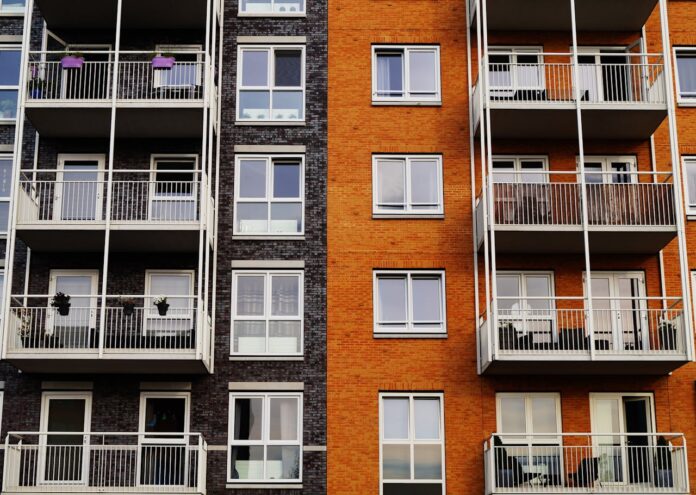
Living in a city means having access to a wide range of housing options, and that variety is one of the things that makes urban life appealing to so many different kinds of people. Whether you are a first-time renter, a homeowner looking for flexibility, or someone planning for the long term, the type of home you choose shapes a lot about your daily life. There is more on this in What Every Household Should Know About Managing Different Debts.
City housing is not a one-size-fits-all situation, and understanding the options available to you helps you make a more informed decision. This article walks through some of the most common housing types found in cities, what each one involves, and where people typically go to find them.
Condominiums
A condominium, commonly called a condo, is a privately owned unit within a larger shared building or complex. Owners hold title to their individual unit while sharing ownership of common areas like lobbies, hallways, gyms, and parking structures with other residents.
Condos are typically managed by a homeowners association or strata corporation that collects fees and oversees maintenance of shared spaces. People looking to buy a condo usually work with a licensed real estate agent and can find listings through real estate platforms, brokerage websites, and multiple listing services in their area.
Apartments
An apartment is a rented unit within a building that is owned and managed by a landlord or property management company. Apartments vary widely in size, layout, and price depending on the neighborhood, the age of the building, and the amenities offered. Renters typically sign a lease agreement that outlines the terms of their stay, including monthly rent, utilities, and rules about the space.
Apartments can be found through rental listing websites, property management company websites, and local classifieds, and availability tends to move quickly in high-demand urban areas.
Rental Suites
A rental suite in an apartment building is a self-contained unit designed for long-term residency within a larger multi-unit structure. These suites typically feature essential living amenities, including a private kitchen or kitchenette, a dedicated bathroom, and defined sleeping and living areas. Depending on the building’s age and design, these units may range from compact studios to multi-bedroom layouts, often providing residents with access to shared building facilities.
Tenants can typically find these suites through property management websites, online rental marketplaces, and local classified advertisements. In high-density urban areas, many apartment buildings, such as SOHO at Central Park, also display signage with contact information for their leasing offices. Because these suites are managed by professional landlords or property firms, the application process usually involves a formal lease agreement, credit checks, and references to ensure a stable living environment for all building residents.
Laneway Homes and Garden Suites
A laneway home is a small, detached dwelling built on the same property as a primary home, typically accessed from a rear lane or alley. Garden suites are similar but are freestanding units placed within the yard of a property rather than along a lane. Both types have become more recognized in cities that are working to increase housing density without dramatically altering the character of existing neighborhoods.
These are more commonly found in cities where local zoning allows them, and listings for laneway or garden suite rentals tend to appear on rental platforms and through local real estate agents familiar with accessory dwelling units.
Multiplexes and Low-Rise Rental Buildings
A multiplex is a residential building that contains a small number of units, typically ranging from a duplex with two units to a building with several floors of apartments. These buildings are usually located in residential neighborhoods and offer a quieter setting compared to large high-rise apartment towers.
Many multiplexes are owned by individual landlords rather than large property management companies, which can mean a more personal relationship between tenant and owner. Rental units in multiplexes are commonly advertised on general rental listing websites, local bulletin boards, and through community connections.
High-Rise and Purpose-Built Rental Towers
High-rise rental towers are large multi-story buildings developed specifically to house tenants, with units professionally managed by property management companies or real estate investment firms. These buildings often come with a full range of amenities such as concierge services, fitness centers, rooftop spaces, and underground parking.
They are typically found in city centers or near transit hubs and are designed to accommodate a high volume of residents. Prospective tenants can find these buildings through the property management company’s own website, large rental listing platforms, or by contacting the building directly.
Co-operative Housing
Co-operative housing, or co-op housing, is a model where residents collectively own and manage the housing corporation rather than owning individual units outright. Members pay a monthly housing charge and hold a share in the corporation, giving them a say in decisions about the building and community.
Co-ops are known for being more affordable than traditional ownership in many cities, though waitlists can be long and the application process is more involved than renting an apartment. Information about co-operative housing can be found through housing co-operative associations, municipal affordable housing registries, and non-profit housing organizations.
Affordable and Subsidized Housing
Affordable housing programs and subsidized units are designed to help lower-income individuals and families access stable housing in cities where market-rate rents are high. These programs are typically administered by municipal governments, non-profit housing organizations, or social housing authorities and are intended for those who meet specific income thresholds.
The quality, size, and location of subsidized housing varies depending on the program and the city, but the goal is generally to provide safe, stable housing at a cost that is proportional to income. Applications for affordable housing programs are usually handled through local housing authorities, municipal government websites, or registered non-profit housing providers.
Short-Term and Furnished Rentals
Short-term rentals are furnished units available for stays that range from a few days to several months, making them a practical option for people who are new to a city, relocating for work, or waiting for a long-term housing situation to become available. These rentals are typically found on platforms designed for short-term stays, as well as through corporate housing providers that specialize in accommodating professionals.
They tend to cost more per month than a standard lease because they include furnishings, utilities, and flexible terms. While they are not a long-term solution for most people, short-term rentals fill an important gap in the housing market by offering flexibility during transitions.
City housing covers a wide range of options, and each type serves a different set of needs, lifestyles, and financial situations. From renting an apartment to living in a co-op or settling into a rental suite attached to a family home, the variety available in urban areas means that most people can find something that fits their circumstances.
Knowing what each housing type involves, what to expect from the experience, and where to look for it makes the process of finding a home in the city much less overwhelming. The more informed you are about what is out there, the better positioned you are to find a housing situation that genuinely works for you.
Apart from that, if you want to know more about then visit our Real Estate category.