
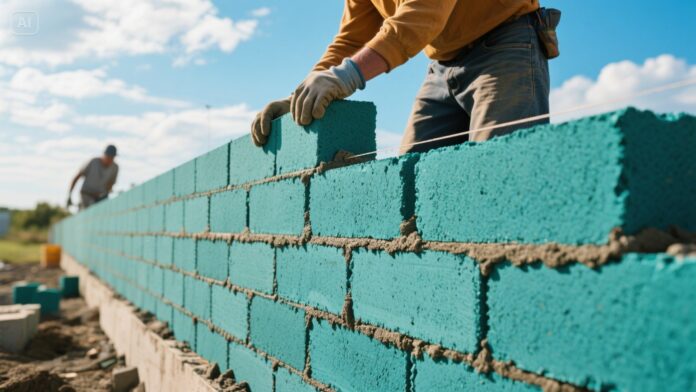
Retaining walls serve both functional and aesthetic purposes in landscaping and construction projects. Whether you want to prevent soil erosion, manage slopes, or create usable garden space, building a retaining wall can be a smart solution. In this guide, we’ll walk you through the essentials of building a retaining wall, from choosing the right materials to the step-by-step construction process.
What Is a Retaining Wall and Why Build One?
A retaining wall is a sturdy structure designed to hold back soil and prevent erosion on sloped terrain. It effectively creates level areas outdoors where there previously were none, enabling you to maximize your outdoor space. Retaining walls also add visual interest to landscaping and can be made from a variety of materials to match your style.
The key benefits of a retaining wall include:
- Preventing soil erosion and landslides
- Allowing better drainage and soil retention
- Increasing usable space on uneven ground
- Enhancing landscape features and aesthetics
Planning and Design Considerations
Before starting your project, take time to plan your retaining wall carefully. Think about the height and length of the wall, the slope of your yard, and drainage needs. Most retaining walls under 3 feet tall can be built as DIY projects, while taller walls may require engineering.
Some important design considerations include:
- Height of the Wall: Walls over 4 feet often require professional permits and engineering.
- Slope Angle: Steeper slopes may need tiered retaining walls or reinforced design.
- Drainage: Proper drainage behind the wall prevents water buildup and pressure.
- Material Selection: The type of retaining wall materials affects durability and appearance.
Materials for Building a Retaining Wall
Choosing the right materials is critical to the wall’s strength and lifespan. Common materials include:
- Concrete Blocks: Easy to stack and often interlock for stability, good for straight walls.
- Natural Stone: Offers a rugged, classic look, can be dry-stacked or mortared.
- Timber: Cost-effective and natural, but less durable and prone to rot over time.
- Brick: Traditional and attractive but often requires mortar and more skilled labor.
- Poured Concrete: Very strong and durable but can be costly and requires forms and curing time.
For DIY projects, concrete blocks or natural stone are popular for their balance of ease and durability.
Step-by-Step Instructions for Building a Retaining Wall
Now that you have an understanding of design and materials, let’s go through the process of building a retaining wall.
1. Prepare the Site
Start by clearing vegetation, roots, and debris from the wall area. Mark the exact location with stakes and string.
Excavate the foundation trench below the frost line or about 6 to 12 inches deep depending on wall height. The trench should be wider than the blocks or stones to allow for base material on either side.
2. Create a Solid Base
Fill the trench with 4 to 6 inches of crushed stone or gravel and compact it using a tamper. This base provides drainage and prevents settling.
3. Lay the First Course
Place your first layer of blocks or stones directly on the compacted base. Use a level to ensure they are perfectly flat and aligned. This layer sets the tone for the entire wall’s stability.
4. Backfill and Install Drainage
After laying each course, backfill behind the wall with gravel to facilitate drainage and reduce hydrostatic pressure. You can also add a perforated drain pipe at the base of the backfill for additional water management.
5. Continue Building Up
Stagger joints for added strength by offsetting blocks or stones from the row below, similar to brickwork. Check alignment regularly with a level and adjust as needed.
6. Cap the Wall
Once you reach your desired height, add a row of capstones or blocks to protect the top surface and enhance aesthetics. Secure caps with landscape adhesive if necessary.
7. Final Touches
Add soil behind the wall and plant vegetation to help stabilize the soil and blend the wall into the natural landscape.
Essential Tips for a Successful Project
- Permits: Check local regulations before building, especially for walls over 4 feet tall.
- Drainage Is Key: Water buildup can cause walls to fail; proper drainage is critical.
- Use Quality Materials: Avoid reused or crumbly stones and blocks.
- Take Your Time: Proper preparation and patience are crucial to a durable wall.
- Consider Professional Help: For complex or tall walls, consult a structural engineer or contractor.
Conclusion
Building a retaining wall is a rewarding project that can transform your landscape by preventing erosion, managing slopes, and creating attractive outdoor spaces. By carefully planning your design, selecting the right materials, and following the step-by-step process, you can successfully build a retaining wall that stands the test of time.
Whether you’re a seasoned DIYer or a beginner, embracing these tips on building a retaining wall will help ensure your project is both beautiful and structurally sound. Remember — proper drainage, a solid base, and patience are your best allies in any retaining wall build.
Please visit our “Home Improvement Category.”