Preparing for a life at sea involves a unique set of challenges that require specialized equipment and a resourceful mindset. Moving your daily life onto a sailboat means you become your own power plant, water utility, and communications center. Selecting the right tools helps you navigate these responsibilities while maintaining your safety and comfort in remote locations. This overview explores the essential systems that allow sailors to thrive during long-distance voyages and extended stays aboard their vessels.
Satellite Data Systems
Satellite internet provides a way to download weather files and stay in touch with family when you are in the middle of the ocean. Systems like Starlink or Iridium GO! offer different levels of connectivity depending on your power budget and data needs.
These services require a hardware kit and a monthly subscription plan that you can manage online through the provider’s websites. Reliable data access is important for receiving updated grib files, which are essential for avoiding dangerous storm systems.
Power Generation Solutions
Generating your own electricity is a necessity when you are no longer plugged into a dock at a marina. Solar panels and wind generators are the most frequent methods used by live-aboard sailors to keep their batteries charged.
You can source these components from renewable energy outfitters or marine chandleries that specialize in off-grid power systems. Having a balanced power budget allows you to run your navigation lights and refrigeration without needing to start your engine constantly.
Marine Communication
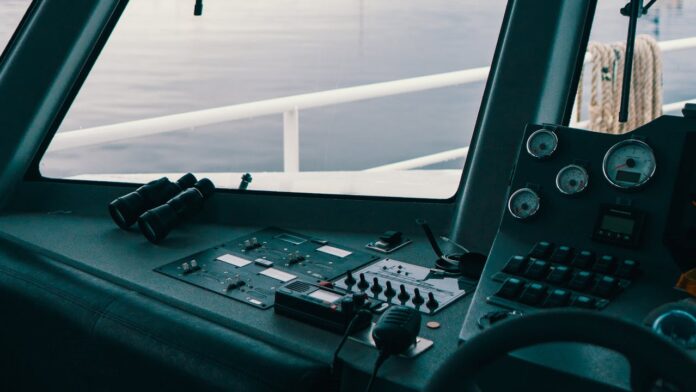
Maintaining contact with other vessels and shore stations is a fundamental requirement for any offshore sailor. ICOM radios are a common choice for long-range communication because it allows for voice and data exchange over thousands of miles.
This type of radio operates on high frequencies that reflect off the atmosphere to reach beyond the horizon. You can typically find these units and the necessary installation services through specialized marine electronics dealers, such as Chatt Radio, in major port cities.
Fresh Water Production
Carrying enough fresh water for a long passage is difficult due to the weight and space required for large tanks. A high-quality watermaker uses reverse osmosis to turn salt water into clean drinking water for the crew.
These machines are available from marine engineering firms that often provide commissioning services to make sure the system is pressurized correctly. Being able to produce your own water provides a significant level of self-sufficiency during months spent at remote anchorages.
Navigation Hardware
Modern navigation relies on a combination of GPS chartplotters and traditional paper charts as a reliable backup. Dedicated marine GPS units show your precise position and help you track your progress across the open sea.
Marine electronics installers can help you integrate these screens with your other sensors like depth sounders and speed logs. Accurate positioning is vital for staying clear of underwater hazards and arriving at your intended destination safely.
Automatic Identification Systems
An Automatic Identification System or AIS allows you to see other ships and lets them see your position on their screens. This technology is especially useful when crossing busy shipping lanes at night or in conditions with restricted visibility.
You can buy AIS transponders from electronics retailers who also offer programming services for your unique maritime mobile service identity. Knowing the speed and heading of a nearby tanker helps you make informed decisions to prevent close-quarters situations.
Emergency Signaling Devices
Safety equipment like Emergency Position Indicating Radio Beacons are designed to alert rescue authorities if you encounter a life-threatening emergency. These devices send a coded signal to satellites that identifies your vessel and your exact location to the Coast Guard.
Many safety shops provide the registration services required to link the device to your personal emergency contact information. Having these beacons on board provides a way for help to find you even if your primary radios are damaged.
Self-Steering Mechanisms
Steering a boat by hand for many hours is exhausting for a small crew on a long-distance trip. Windvane steering systems or electronic autopilots take over this task so the crew can focus on watchkeeping and maintenance.
Professional riggers or marine technicians are the best resources for finding a system that matches the size and displacement of your vessel. These tools are important because they reduce physical fatigue and allow for more consistent course keeping during the day.
Anchoring and Ground Tackle
A dependable anchoring system is what keeps your home safe when you are sleeping in a windy bay. This setup includes a heavy anchor along with a significant length of galvanized chain and a powerful windlass to lift the weight.
Specialized ground tackle suppliers can provide advice on the best combinations for different types of seabed like sand or rock. Having confidence in your anchor allows you to stay in beautiful locations without worrying about the boat moving during the night.
Rigging and Sail Handling
The sails and the wires that hold up the mast are the primary engine of a sailing vessel. High-quality ropes and blocks make it easier to trim the sails and adjust to changing wind strengths quickly.
Marine riggers offer inspection services to check for signs of wear or corrosion in the standing rigging before you depart on a long trip. Maintaining these components is important because a failure in the rig can lead to serious structural issues while you are at sea.
Interior Comfort and Cooking
Preparing meals in a moving kitchen requires a gimbaled stove that stays level even when the boat is leaning over. Marine refrigeration systems are built to be more efficient than household versions to save on battery power.
You can find these specialized appliances through galley equipment suppliers who understand the constraints of a small living space. A functional kitchen area is important for maintaining the morale and health of the crew during long periods away from land.
Equipping a vessel for long-distance sailing is a detailed process that balances modern technology with traditional seamanship. Each system mentioned plays a vital role in creating a self-sufficient environment where you can manage your own resources and safety.
Understanding how these tools function and where to find support services gives you the confidence to explore distant horizons. Reliable gear and proper preparation are the foundations of a successful and sustainable life on the water.
Apart from that, if you want to know more about then visit our Tech category.