

The IT consulting business plays a crucial role in helping organizations effectively manage and utilize technology in today’s digital world. As businesses increasingly rely on advanced technologies such as cloud computing, cybersecurity systems, and data analytics, the need for professional IT guidance has grown significantly.
The IT cConsulting business provides expert advice, strategic planning, and technical solutions that help companies improve efficiency, strengthen security, and support digital transformation. By analyzing existing systems and recommending innovative technologies, IT consultants enable organizations to optimize operations, reduce risks, and achieve long-term growth in a highly competitive business environment.
| Keyword | Summary |
| Core Concept | Technology Advisory Services |
| Business Role | Technology Strategy Support |
| Main Objective | Operational Efficiency Improvement |
| Cybersecurity Focus | Data Protection Strategies |
| Digital Transformation | Technology Adoption Support |
| Compliance Support | Regulatory Requirement Guidance |
| Strategic Consulting | Business Technology Alignment |
| Project Management | IT Project Implementation |
| Infrastructure Consulting | System & Network Optimization |
| Cloud Consulting | Cloud Migration Solutions |
| Data Analytics | Data-Driven Insights |
| IT Support | System Maintenance Services |
| Key Services | Technology Assessment |
| Business Impact | Improved Decision Making |
| Efficiency Gains | Process Optimization |
| Customer Experience | Digital Service Enhancement |
| Competitive Advantage | Market Innovation |
| Risk Management | Technology Risk Reduction |
| Long-Term Value | Sustainable Business Growth |
It Consulting Business
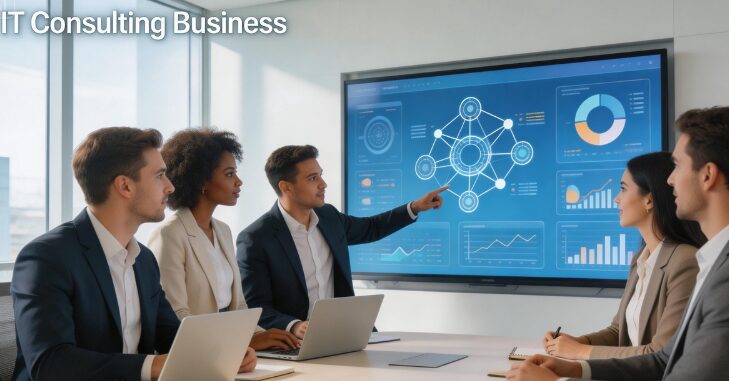
In today’s rapidly evolving digital landscape, businesses are increasingly reliant on technology to drive efficiency, enable growth, and maintain competitive advantages. The role of IT consultants in the IT consulting business has never been more vital, as they serve as specialized advisors who help organizations navigate the complexities of technology adoption, integration, and management.
Importance of IT Consulting for Modern Businesses
Navigating Technological Complexity
The modern business environment is characterized by ever-increasing technological complexity. From cloud computing to cybersecurity and data analytics, the array of options can be overwhelming. IT consultants play a crucial role in guiding companies through this complexity, helping them make informed decisions that align with their strategic goals.
Optimizing Operations
IT consulting is instrumental in optimizing business operations. By assessing existing processes and technologies, consultants identify areas for improvement, ensuring that organizations operate efficiently and effectively. This optimization can lead to cost savings, enhanced productivity, and improved service delivery.
Enhancing Cybersecurity
With the rise of digital threats, cybersecurity has become a top priority for businesses. IT consultants provide expertise in developing robust security strategies, minimizing vulnerabilities, and responding to potential breaches. Their involvement is essential to protect sensitive data and maintain business continuity.
Enabling Digital Transformation
Digital transformation is no longer optional; it’s a necessity for survival in today’s market. IT consulting helps organizations embrace digital technologies to improve customer experiences, streamline operations, and drive innovation. Consultants help create and implement comprehensive digital strategies that align with business objectives.
Ensuring Compliance
Regulatory compliance is critical for many industries. IT consultants assist organizations in understanding and complying with relevant regulations, such as GDPR and HIPAA. This not only helps avoid legal penalties but also builds trust with customers and stakeholders.
Types of IT Consulting Services

IT consulting encompasses a wide range of services tailored to meet the diverse needs of businesses. The following sections outline the primary types of IT consulting services available today.
- Strategic IT Consulting: Strategic IT consulting focuses on aligning technology initiatives with overall business strategies. IT consultants work closely with stakeholders to formulate IT strategies that support corporate objectives, ensuring that technology investments yield tangible returns.
- IT Project Management: IT project management services encompass the planning, execution, and monitoring of technology projects. Consultants help organizations manage project timelines, budgets, and resources, reducing risks and ensuring successful project delivery. This includes software implementation, system upgrades, and infrastructure development.
- IT Infrastructure Consulting: Infrastructure consulting services assess and optimize an organization’s IT infrastructure, encompassing hardware, software, networks, and data storage. Consultants evaluate existing setups and recommend improvements that enhance performance, scalability, and reliability.
- Cybersecurity Consulting: Cybersecurity consulting provides organizations with strategies to protect their assets from cyber threats. IT consultants evaluate current security measures, conduct risk assessments, and develop comprehensive security policies to prevent data breaches and ensure regulatory compliance.
- Cloud Services Consulting: With the shift toward cloud computing, cloud consulting services have become crucial. IT consultants help businesses transition to cloud solutions, evaluate cloud providers, and develop cloud strategies that enhance scalability and reduce costs. This includes SaaS, IaaS, and PaaS implementations.
- Data Analytics Consulting: Data analytics consulting focuses on helping organizations leverage data to drive insights and decision-making. Consultants assist businesses in implementing data analytics tools, developing data governance frameworks, and training staff to harness data effectively for strategic purposes.
- IT Support and Maintenance: Ongoing IT support and maintenance services ensure that technology systems operate smoothly and efficiently. IT consultants provide troubleshooting, monitoring, and technical support, helping organizations maintain productivity and minimize downtime.
Key Services Offered by IT Consultants
IT consultants provide a wide array of services tailored to address specific business needs, beginning with a thorough needs assessment to identify challenges and technology requirements, which informs the development of customized solutions. They assist in developing technology strategy by evaluating existing systems, identifying gaps, and recommending new tools to improve efficiency. Additionally, consultants facilitate system integration, ensuring cohesive operation of various technologies to enhance workflows.
They also manage vendor relationships, assisting organizations in vendor selection and performance oversight. Change management services help navigate the disruption of new technology implementations, with IT consultants developing communication plans and providing training to support successful adoption. Furthermore, they analyze existing IT performance, optimize systems using measurement frameworks, and prepare disaster recovery plans to ensure business continuity and minimize downtime in the event of unforeseen circumstances.
The Impact of IT Consulting on Organizational Success

Improved Decision-Making
One of the most significant impacts of IT consulting is improved decision-making. With the right data and insights, organizations can make informed decisions about technology investments, operational improvements, and strategic initiatives.
Increased Efficiency
Through optimization and strategic planning, IT consultants enable organizations to operate more efficiently. Streamlined processes, enhanced workflows, and improved resource management lead to increased productivity and reduced operational costs.
Enhanced Customer Experience
By embracing technology that enhances customer engagement and service delivery, organizations can improve the overall customer experience. IT consultants help implement solutions that enhance communication and streamline service processes, thereby increasing customer satisfaction.
Competitive Advantage
Organizations that effectively leverage IT consulting gain a competitive advantage in their industry. By adopting innovative technologies and optimizing operations, businesses can respond faster to market demands and differentiate themselves from competitors.
Risk Mitigation
Consultants help organizations identify and mitigate risks associated with technology adoption. Through thorough assessments and strategic planning, businesses can avoid costly missteps and build resilient IT infrastructures.
Choosing the Right IT Consulting Partner
Selecting the right IT consulting partner is crucial for achieving organizational goals. Organizations should consider several key factors when choosing their consulting partners.
- Expertise and Experience: Look for consultants with a proven track record in the relevant industry and domain. Their expertise and experience should align with your specific needs, enabling them to understand the challenges your organization faces.
- Reputation and References: Research the consultant’s reputation in the market. Ask for references and case studies that demonstrate their success with previous clients. A strong reputation indicates reliability and the ability to deliver quality services.
- Cultural Fit: The cultural alignment between the consulting firm and your organization is vital for successful collaboration. A good cultural fit facilitates effective communication and collaboration, enhancing the overall consulting experience.
- Comprehensive Service Offerings: Consider consultants who provide a broad range of services tailored to your organization’s needs. A one-stop-shop approach can streamline communication and ensure consistency in technology strategy and implementation.
- Commitment to Ongoing Support: Choose a consultant who offers ongoing support and maintenance services. Technology is constantly evolving, and having a partner committed to your long-term success will help ensure your organization remains competitive.
Conclusion
The IT consulting business plays a pivotal role in supporting modern organizations as they navigate the complexities of technology adoption and integration. Through various consulting services, IT professionals offer expertise that enhances business operations, drives digital transformation, and mitigates risks.
From optimizing infrastructure to implementing cybersecurity measures, IT consulting empowers organizations to leverage technology effectively, ultimately improving efficiency and competitiveness. As technology continues to evolve, the significance of IT consulting will only grow, making it a crucial component of any successful business strategy. By choosing the right consulting partner and embracing emerging trends, organizations can position themselves for long-term success in today’s dynamic business landscape.
If you want to read an interesting article about it, explore our Business category.
FAQs
An IT consultant assists organizations in identifying and resolving business challenges by using technology solutions. This may include providing strategic guidance and suggesting suitable IT systems, software, or tools that meet the client’s specific requirements.
An IT consulting company works with clients to help them solve IT problems. The field includes everything from basic network analytics support to managed IT solutions. Most consulting firms will specialize in a fairly narrow field of IT. These can include: Cloud services.
Built on the author’s **7C’s model—client, clarify, create, change, confirm, continue, and close—**this book provides both new and experienced consultants with a structured framework for effectively managing and completing consultancy assignments.
To become a successful consultant, strong technical expertise is essential. However, having deep knowledge of networking, security, and databases alone is not enough. You also need solid business insight to understand client needs and deliver practical solutions effectively.