
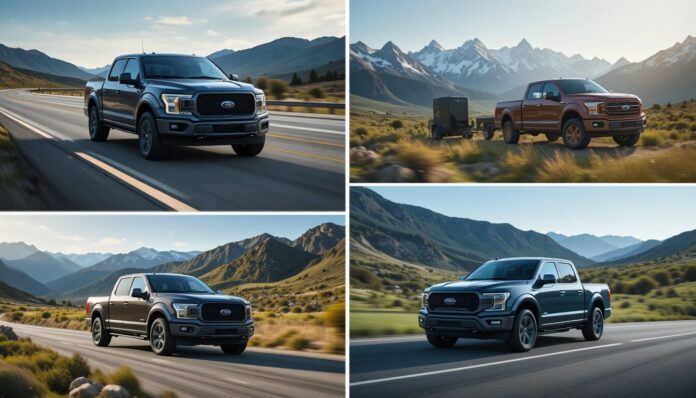
The automotive industry is rapidly evolving as manufacturers develop vehicles that combine power, efficiency, and environmental responsibility. Among these innovations, hybrid trucks are attracting significant attention from drivers seeking the strength of a pickup with improved fuel economy and reduced emissions.
Modern drivers no longer have to choose between performance and sustainability. With advanced hybrid technology, pickup trucks can deliver impressive towing capacity while consuming less fuel than traditional gasoline-powered vehicles.
This balance makes them appealing to both work-focused drivers and everyday commuters. In this handbook, we will explore the most popular models, key features, fuel-saving benefits, and practical buying tips to help modern drivers make an informed decision.
| Hybrid Truck Model | Powertrain Type | Estimated Fuel Efficiency | Key Features | Best Use |
| Ford F-150 PowerBoost | Full Hybrid (V6 + Electric) | High for full-size pickup | Strong towing capacity, onboard power generator, advanced tech | Work, towing, daily driving |
| Toyota Tundra i-FORCE MAX | Hybrid V6 | Moderate to high efficiency | Durable off-road performance, driver-assistance tech, strong acceleration | Adventure, off-road, utility |
| Ram 1500 eTorque | Mild Hybrid | Improved city & highway efficiency | Smooth start-stop, enhanced engine performance, regenerative braking | Daily driving, light towing, commuting |
| GMC Sierra 1500 Hybrid | Full Hybrid | Competitive fuel economy | Modern infotainment, strong torque, fuel-saving tech | Work & recreational use |
| Honda Ridgeline Hybrid (Concept/Future) | Hybrid (Expected) | Estimated high efficiency | Compact pickup utility, advanced safety systems | Every day driving, small load hauling |
Understanding Hybrid Trucks
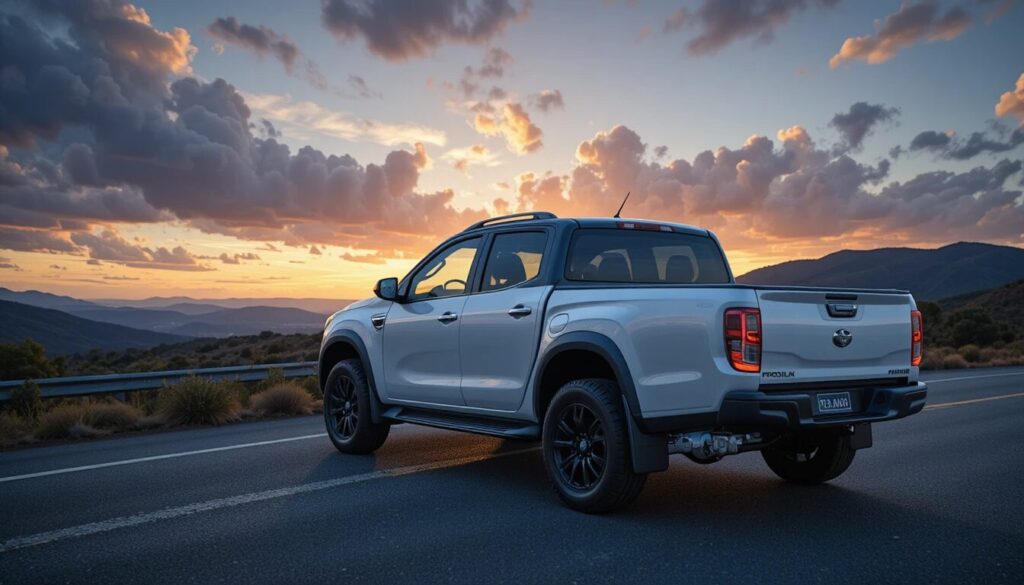
Hybrid trucks combine an internal combustion engine with an electric motor and battery system. These components work together to improve efficiency, enhance power delivery, and reduce fuel consumption.
Unlike fully electric vehicles, hybrid systems do not rely entirely on charging stations. Instead, the battery recharges through regenerative braking and the engine, making it convenient for drivers who travel long distances or work in remote areas.
How Hybrid Powertrains Work?
A hybrid powertrain typically consists of three main components:
- Gasoline engine – provides primary power for long-distance driving
- Electric motor – assists the engine during acceleration and low-speed driving
- Battery pack – stores electrical energy used by the motor
When the truck accelerates or climbs hills, the electric motor assists the engine, reducing fuel consumption and improving performance. During braking, regenerative systems capture energy and store it in the battery.
Why Hybrid Pickup Technology Is Growing in Popularity?
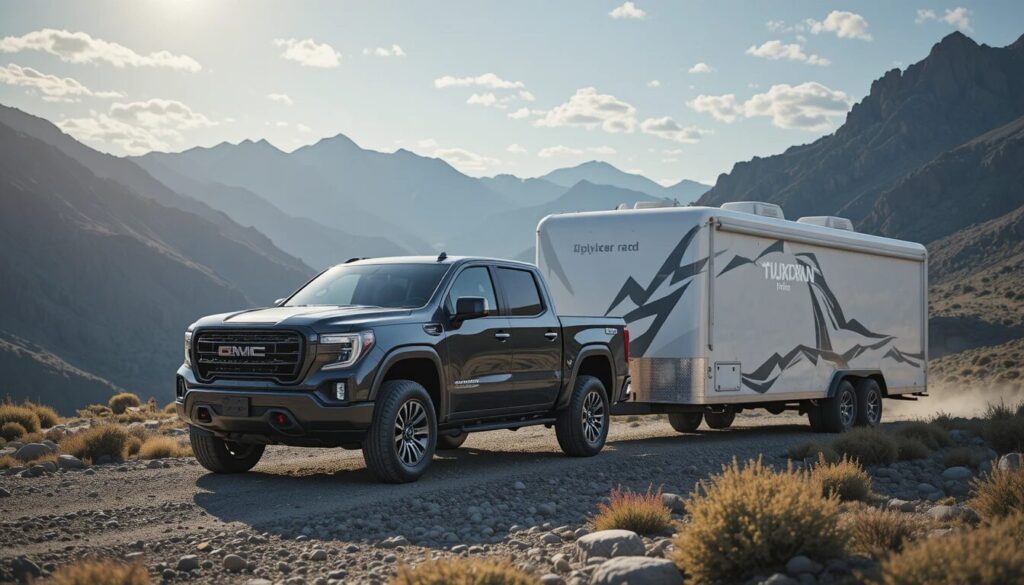
Drivers are increasingly choosing hybrid trucks because they offer practical advantages without sacrificing capability. From improved fuel efficiency to advanced technology, these vehicles are becoming a popular option in the pickup segment.
Key Reasons for Their Rising Demand
- Increasing fuel prices encourage drivers to look for more efficient vehicles.
- Environmental awareness is pushing manufacturers toward greener solutions
- Government regulations promote lower emissions in modern vehicles
- Hybrid systems provide both efficiency and strong towing capabilities
As a result, automakers are investing heavily in hybrid pickup technology to meet market demand.
Top Hybrid Truck Models in Today’s Market
Several manufacturers now offer hybrid pickup models designed for both work and everyday driving. These trucks combine powerful engines with electric assistance to improve performance and fuel economy.
Ford F-150 PowerBoost Hybrid
The Ford F-150 PowerBoost Hybrid is one of the most recognized hybrid pickups on the market today. It combines a twin-turbo V6 engine with an electric motor, providing both strong performance and improved fuel efficiency. Known for its impressive towing capacity, this model also features onboard power generation, making it highly versatile for work and recreational use.
Toyota Tundra i-FORCE MAX Hybrid
The Toyota Tundra i-FORCE MAX Hybrid features a powerful hybrid V6 powertrain that delivers both durability and off-road performance. In addition to its robust engine, this model offers advanced driver-assistance technology that enhances safety and convenience for modern drivers, making it suitable for a wide range of driving conditions.
Ram 1500 eTorque Hybrid System
The Ram 1500 eTorque Hybrid System uses a mild hybrid setup to improve fuel efficiency while maintaining strong engine performance. This system enhances acceleration and provides smoother start-stop operation, contributing to a more comfortable driving experience without compromising the truck’s traditional power capabilities.
These models collectively demonstrate how hybrid technology can enhance the traditional pickup experience, offering drivers a balance of efficiency, power, and advanced features.
Key Features Found in Hybrid Pickup Vehicles
- Electric motor assistance during acceleration
- Improved torque delivery
- Regenerative braking systems
- Optimized engine efficiency
- Digital driver displays
- Smart energy management systems
- Advanced driver-assistance features
- Smartphone connectivity and infotainment systems
Fuel Savings and Efficiency Benefits
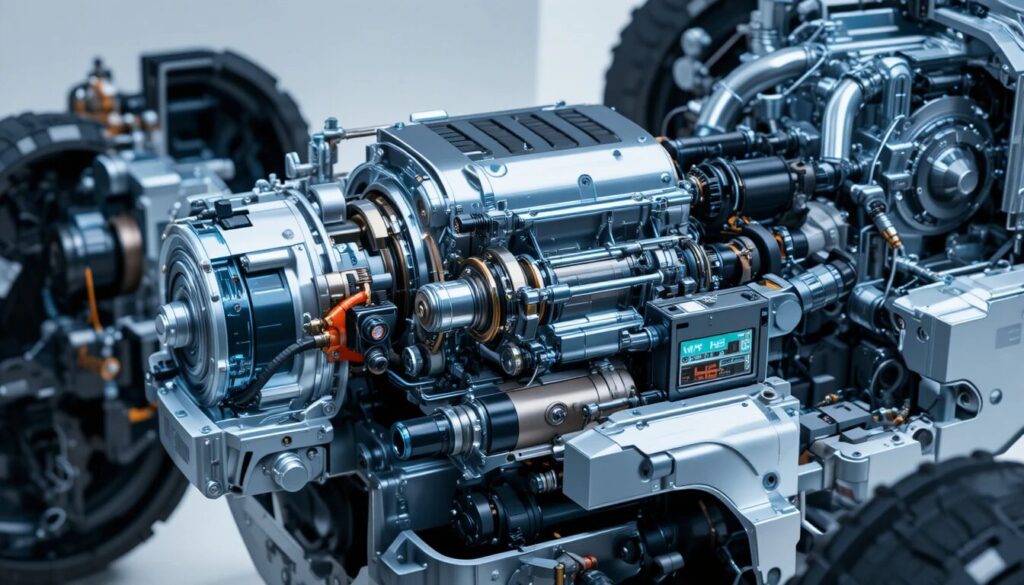
One of the biggest advantages of hybrid trucks is their improved fuel efficiency compared to traditional pickup models. By incorporating electric power into the drive, hybrid systems reduce fuel consumption under certain conditions, such as low-speed city driving or acceleration. Fuel savings are achieved through several key mechanisms.
Electric assistance reduces the workload on the gasoline engine, while regenerative braking captures energy that would normally be lost during deceleration and stores it in the battery for later use.
Automatic start-stop systems help conserve fuel by shutting off the engine when the vehicle is idle, and advanced powertrain management optimizes the distribution of energy between the engine and electric motor. Together, these improvements allow drivers to travel longer distances while using less fuel, providing both economic and environmental benefits.
Comparison of Popular Hybrid Pickup Models
Below is a simplified comparison table of the key characteristics of well-known hybrid pickup options.
| Model | Powertrain Type | Estimated Fuel Efficiency | Key Strength | Best For |
| Ford F-150 PowerBoost | Full hybrid system | High for a full-size pickup | Strong towing capability | Work and towing |
| Toyota Tundra i-FORCE MAX | Performance hybrid | Moderate to high efficiency | Off-road performance | Adventure and utility |
| Ram 1500 eTorque | Mild hybrid system | Improved efficiency | Smooth engine operation | Daily driving |
This table highlights how different manufacturers approach hybrid technology to suit various driver needs.
Environmental Advantages of Hybrid Pickup Vehicles
Reducing emissions is a major goal for modern automotive design. Hybrid trucks help achieve this by lowering fuel consumption and producing fewer greenhouse gases.
Environmental Benefits
- Lower carbon emissions compared to traditional pickups
- Reduced fuel consumption
- Improved energy efficiency
- Support for sustainable transportation
These advantages make hybrid pickups a more environmentally responsible option for drivers who still require the utility of a truck.
Driving Experience and Performance
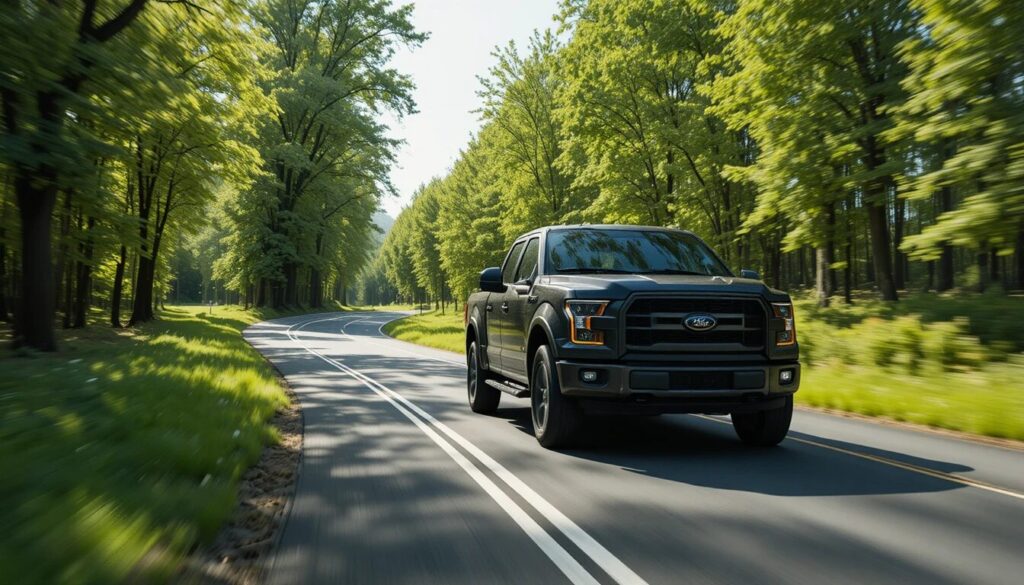
Some drivers worry that hybrid systems may reduce performance. However, many modern hybrid trucks actually deliver enhanced driving dynamics. Electric motors provide instant torque, which can improve acceleration and responsiveness. Combined with powerful gasoline engines, hybrid powertrains can match or exceed the performance of traditional trucks.
Driving Benefits
- Smooth and quiet acceleration
- Better fuel economy during city driving
- Improved torque delivery
- Reduced engine strain during heavy loads
These features create a balanced driving experience suitable for both work and daily commuting.
Maintenance and Ownership Costs
Hybrid systems are designed to be durable and typically require minimal additional maintenance compared to traditional vehicles. In many cases, hybrid trucks can help reduce long-term ownership costs by lowering fuel consumption and increasing overall efficiency. Several maintenance considerations contribute to this durability and cost savings.
Hybrid batteries are engineered to last many years, while regenerative braking systems help reduce wear on brake components, extending their lifespan. Fewer fuel stops also reduce operating costs over time.
Additionally, many manufacturers offer extended warranties for hybrid components, providing extra peace of mind for owners. By following proper maintenance routines and scheduling regular servicing, drivers can ensure that their hybrid truck continues to perform optimally for many years.
Buying Tips for Modern Drivers
Choosing the right pickup requires careful consideration of your driving needs, budget, and performance expectations.
Important Factors to Consider
1. Towing Capacity
If you frequently tow trailers or heavy equipment, check the truck’s maximum towing rating.
2. Fuel Efficiency
Compare fuel-economy estimates across models to determine long-term savings.
3. Technology Features
Look for trucks that offer modern safety systems, infotainment technology, and driver-assistance features.
4. Battery Warranty
A good hybrid warranty ensures long-term reliability and protects your investment.
5. Budget and Ownership Costs
Consider the total cost of ownership, including fuel savings, maintenance, and insurance.
Future Trends in Hybrid Pickup Technology
Hybrid trucks represent only the beginning of the transformation in the pickup segment. Automakers are already exploring new technologies to improve efficiency and performance.
Emerging Innovations
- Advanced battery systems with greater capacity
- Plug-in hybrid pickup designs
- Integration with smart home energy systems
- Increased use of lightweight materials
These innovations will further enhance fuel efficiency and reduce environmental impact.
Conclusion
Hybrid trucks are transforming the pickup truck market by offering a powerful combination of efficiency, performance, and sustainability. By integrating gasoline engines with electric motors, these vehicles provide improved fuel economy without sacrificing capability.
Modern models deliver impressive towing capacity, advanced technology features, and a more environmentally responsible driving experience. For drivers seeking a balance between strength and efficiency, hybrid pickup technology offers an ideal solution.
As manufacturers continue to innovate, the future of pickup trucks will likely include even more advanced hybrid systems and electrified options. By understanding the key features, benefits, and buying considerations outlined in this guide, modern drivers can confidently choose the right vehicle to meet their needs.
If you want to read an interesting article about it, explore our Automobile category.
FAQs
Fuel savings vary depending on driving habits, truck model, and load. On average, hybrid pickups can save 10–30% in fuel compared to comparable gasoline-only models, particularly in city driving where electric assistance and regenerative braking are most effective.
Yes. Many modern hybrid trucks, such as the Ford F-150 PowerBoost and Toyota Tundra i-FORCE MAX, offer towing capacities comparable to those of traditional trucks. Electric motors provide instant torque, which enhances towing performance while improving efficiency.
Not necessarily. Hybrid trucks are designed to be durable, and components like regenerative braking can reduce brake wear. While hybrid batteries are an added consideration, most come with long-term warranties, and routine maintenance is similar to that of conventional trucks.
Yes. By reducing fuel consumption and greenhouse gas emissions, hybrid trucks are more environmentally responsible than traditional gasoline pickups. They also help drivers save on fuel costs while maintaining performance.